How Djangos Font Elevated My Bakery's Brand Identity
I remember the day I decided to refresh my bakery’s packaging. It was a quiet afternoon, and I was staring at the same old labels on my pastel-colored boxes. They looked good, but something felt off. I wanted my brand to feel more consistent, more polished, and above all, more memorable. That’s when I discovered Djangos, a display font that would become the cornerstone of my visual identity.
A Font with Character
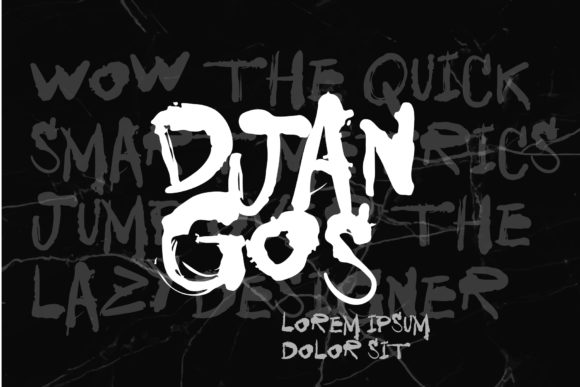
Djangos is an incredibly unique and interesting looking display font. Its personality is bold yet elegant, playful yet professional. It has a distinct rhythm in its curves and angles that makes it stand out without being overwhelming. I immediately knew it could bring life to my product labels and social media posts.
The style of Djangos feels modern, almost like a whisper from the future. It’s not too flashy or too simple—it strikes the perfect balance between creativity and clarity. This made it ideal for my bakery’s branding because I wanted to appeal to a wide audience while still feeling exclusive and artistic.
From Labels to Menus: A Real-Life Upgrade
I started by applying Djangos to my product labels. The name of each pastry now had a new energy. “Croissant” wasn’t just a word anymore—it was a statement. I paired it with a clean sans serif font for the ingredients and pricing, which gave the whole label a professional touch. Customers noticed the change, and I even got a few compliments on how fresh everything looked.
Next, I redesigned my café menu using Djangos for the main titles. The headings stood out beautifully against the soft background, making it easier for customers to navigate through the options. I also used it on my website banners and Instagram templates, which helped create a cohesive look across all my digital platforms.
Even my thank-you cards now have a more personal touch with Djangos. It adds a little flair without being overdone, and it shows that I care about the details.
Why Typography Matters for Small Businesses
Typography might seem like a small detail, but it plays a huge role in shaping your brand’s first impression. When you choose a font like Djangos, you’re not just selecting a typeface—you’re setting the tone for your entire brand identity.
It affects readability, brand perception, customer engagement, and visual consistency. With Djangos, I found that my brand felt more trustworthy and recognizable. People began to associate the font with quality and creativity, which helped build a stronger connection with my audience.
For small businesses, this kind of visual upgrade can make all the difference. Whether it’s your packaging, your website, or your social media graphics, the right font can help your brand stand out in a crowded market.
Using Djangos Across Different Platforms
Djangos works well for headlines, short phrases, logos, packaging titles, and decorative accents. I’ve used it on everything from my product boxes to my online shop graphics. It’s especially effective for display text where you want to grab attention without losing clarity.
When using Djangos for printed materials, I made sure to test it on different sizes and surfaces. It looks great on large packaging, but I also needed to ensure it remained readable on small labels and mobile screens. For smaller text, I paired it with a clean sans serif font to maintain legibility.
On digital platforms, I used it for social media thumbnails and website banners. The font’s visual appeal translates well to digital formats, and it helps keep my content visually engaging without being distracting.
Font Pairing Tips for Small Business Owners
If you’re looking to use Djangos in your design projects, here are a few font pairing ideas:
- Clean Sans Serif: Great for body text, such as ingredient lists or descriptions.
- Elegant Serif: Adds a touch of sophistication when used alongside Djangos for headers or titles.
- Script Font: Can be used sparingly for decorative elements, like signature lines or accents.
- Modern Typography: Combines well with minimalist designs for a contemporary feel.
I found that pairing Djangos with a clean sans serif font worked best for most of my projects. It created a balanced look that was both stylish and easy to read.
What to Check Before Using Djangos
Before finalizing your design, make sure to check the included styles, file formats, alternates, ligatures, weights, multilingual support, and commercial font licensing. These factors are crucial if you plan to use the font on products, packaging, merchandise, templates, client work, or digital downloads.
I made sure to confirm that Djangos had proper commercial licensing so I could use it confidently on all my branded materials. It’s always better to be safe than sorry when it comes to font usage.
Choosing the right font can transform your brand’s visual identity. Djangos helped me do just that—making my bakery feel more consistent, polished, and memorable. And that’s exactly what every small business owner wants to achieve with their brand visuals.